Since 2021, I have been committed to bridging anthropological research and applied practice in contexts of migration and precarity. My engagement in Kuwait marked a turning point in my understanding of fieldwork as a form of advocacy. What began as an ethnographic inquiry into the lives of migrant domestic workers became a sustained partnership aimed at producing concrete tools for legal literacy, leadership, and rights awareness among some of Kuwait’s most vulnerable communities. Since then, I have extended this commitment to the Philippines, France, India, and beyond, moving between policy work, curatorial practice, and community organizing.
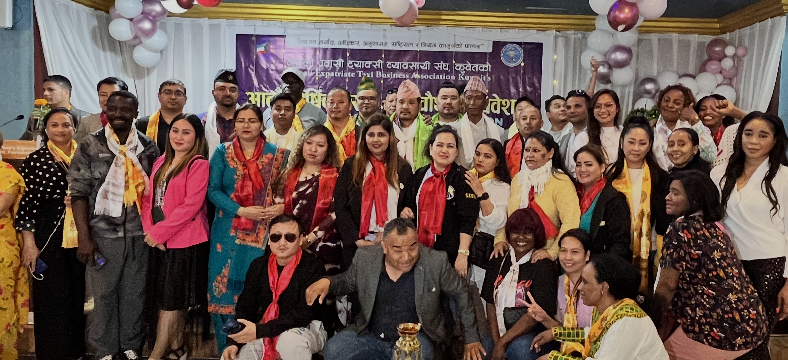
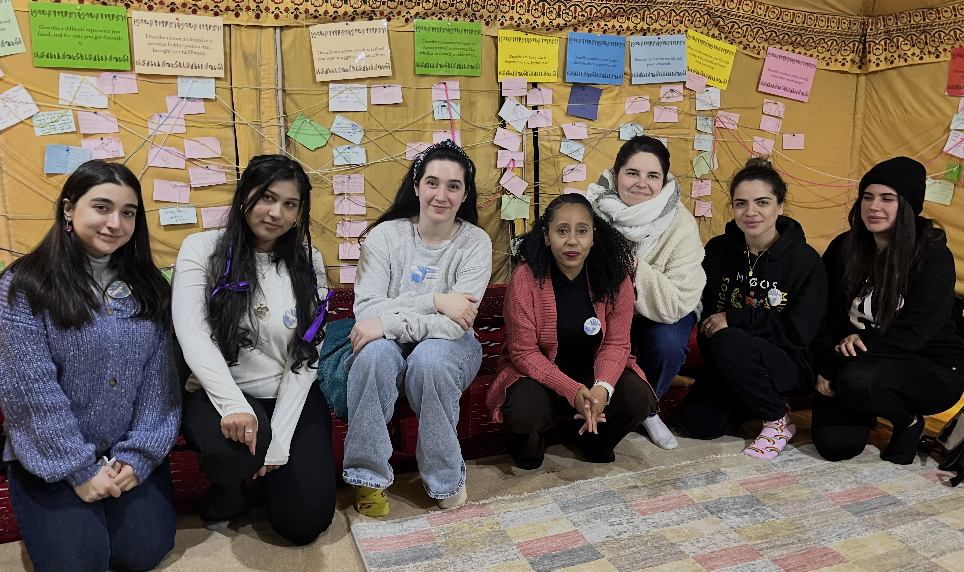
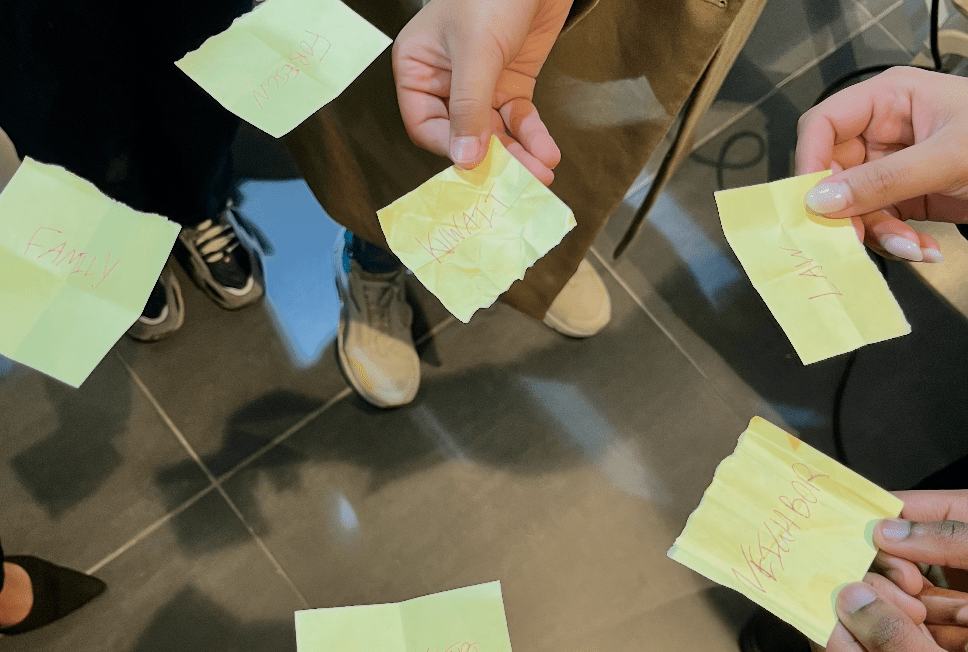
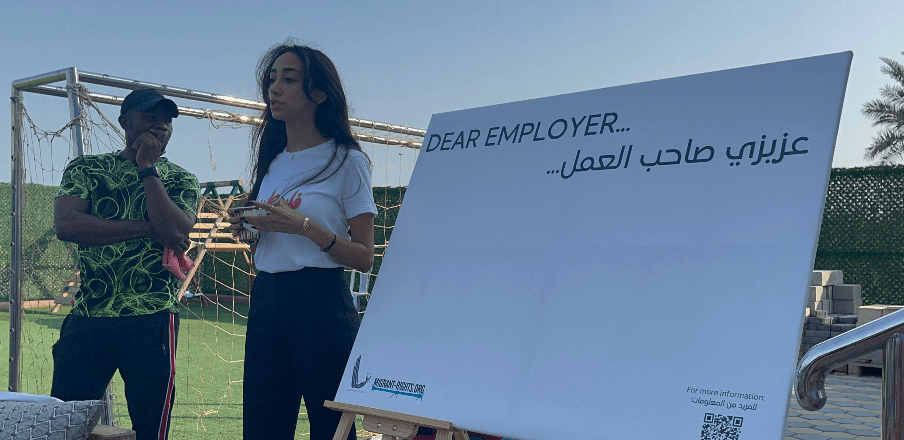
Digital Literacy and Migrant Rights in Kuwait (2022–2025)
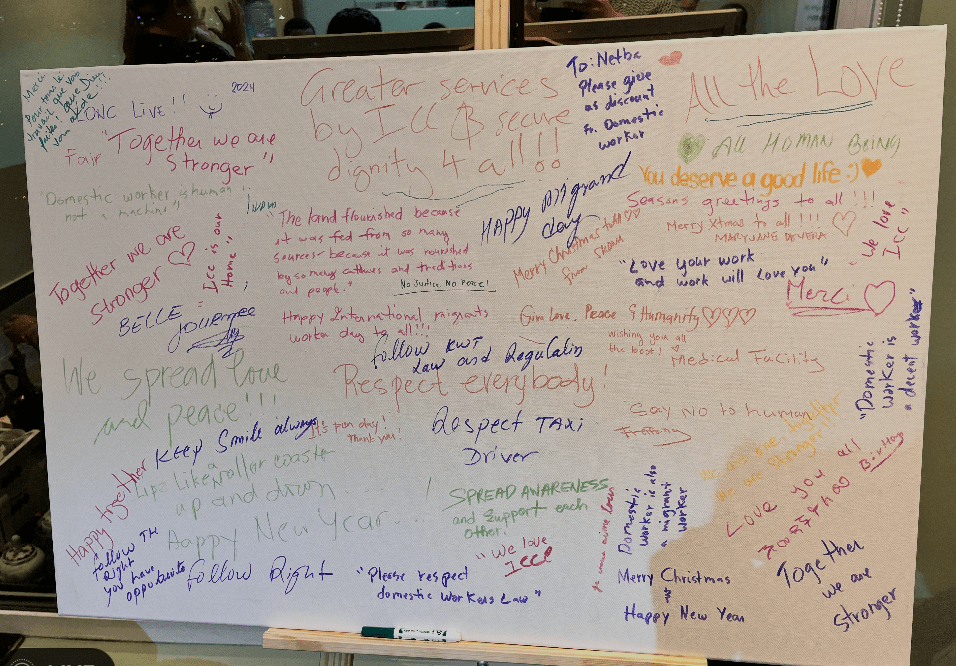
Working alongside a local non-profit organization and its partners, I designed a series of training modules on digital literacy tailored to migrant domestic workers in Kuwait. The project addressed a critical gap: while these women increasingly used smartphones and social media as lifelines for social connection, emotional support, and creative expression, their understanding of their legal rights in digital spaces remained limited. Beyond the training modules themselves, I contributed to grant proposals — one focused on a holistic leadership course for Migrant Human Rights Defenders, the other on a Women Migrant Leadership Program — and produced reports and booklets on the domestic labor code in Kuwait, including the design and analysis of questionnaires on migrants’ legal literacy. This work sits at the intersection of my academic research on TikTok and connective practices among domestic workers and a practical commitment to making that research matter.

Ethnographic Methods Training in the Philippines (2025)
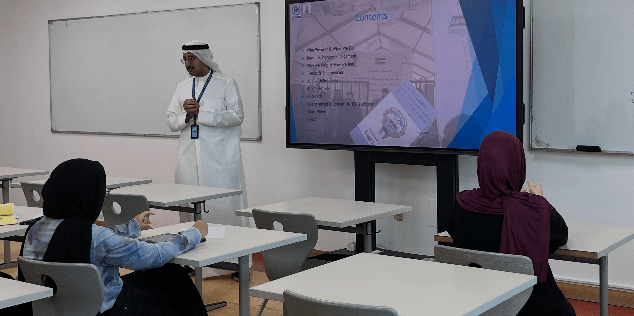
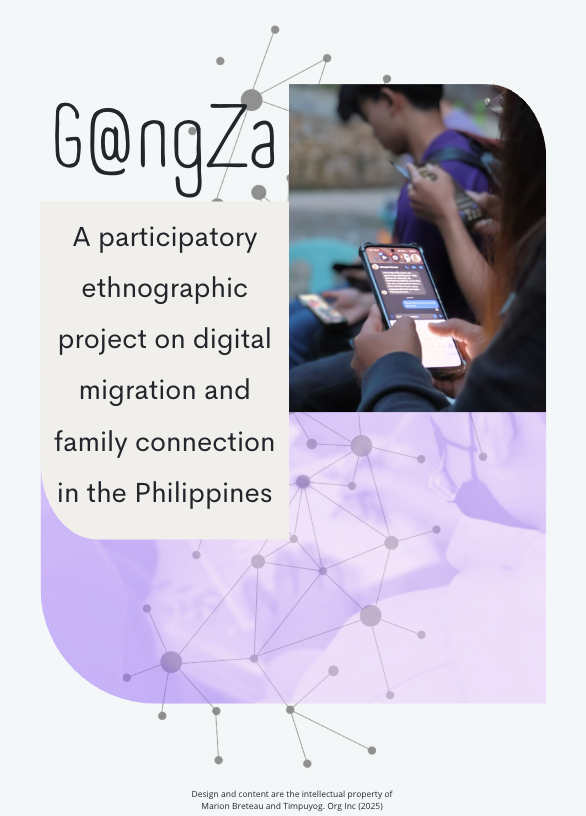
Since 2025, I have designed and delivered applied ethnographic methods training for NGO stakeholders and primary school teachers through Timpuyog Org. Inc, a non-profit organization based in Baguio City, in the northern Philippines. The training drew on my fieldwork experience in Southeast Asia and aimed to equip practitioners with observational and interview-based tools adapted to their community contexts — an approach that treats ethnography not as an academic privilege but as a transferable method for listening, understanding, and acting.

UN Volunteer — Anthropology for Development (2026)
As a UN Volunteer, I provided philosophical, theological, ethical and cultural anthropology support for Action Lab for Development, an initiative operating across Cameroon and Canada. My contribution focused on the development of smartphone application content on religious and cultural awareness — a project that sits at the crossroads of digital communication, anthropological knowledge, and development practice, and that draws on my long-standing interest in the intersection of technology, culture, and everyday life.
Art-Research Consultancy — Comex-Arc / European Union (2026)
As an art-research consultant for Comex-Arc, I provided logistics, coordination, and field operations support for an artistic residency organisation specialising in cultures of the Global Souths, with activities in France and Tunisia. I also contributed fieldwork notes intended for upcoming joint publications. This work reflects my broader interest in the relationship between ethnographic practice and artistic production, and in the potential of residency programmes to generate forms of knowledge that circulate across academic and creative worlds.
Curatorial Practice and Exhibition Design (2026)
My engagement with the arts extends to curatorial and interpretive work. In 2026, I co-curated a joint exhibition with sculptor Fadel Joly as part of La Main bleue artists’ circuit in Poitiers, where ethnographic research was presented as the primary subject of an artistic exhibition — an exercise in public anthropology that invited general audiences to engage with fieldwork as a form of practice and encounter. Alongside this, I contributed archival research, exhibition writing, and interpretive materials for « Nomadic necklaces », a photographic exhibition by Kurdish artist Dogan Boztas, at the Maison du Kurdistan in Lyon, exploring environment and migration among semi-nomadic Kurdish communities in Turkey.
Community Organising and Cultural Platforms
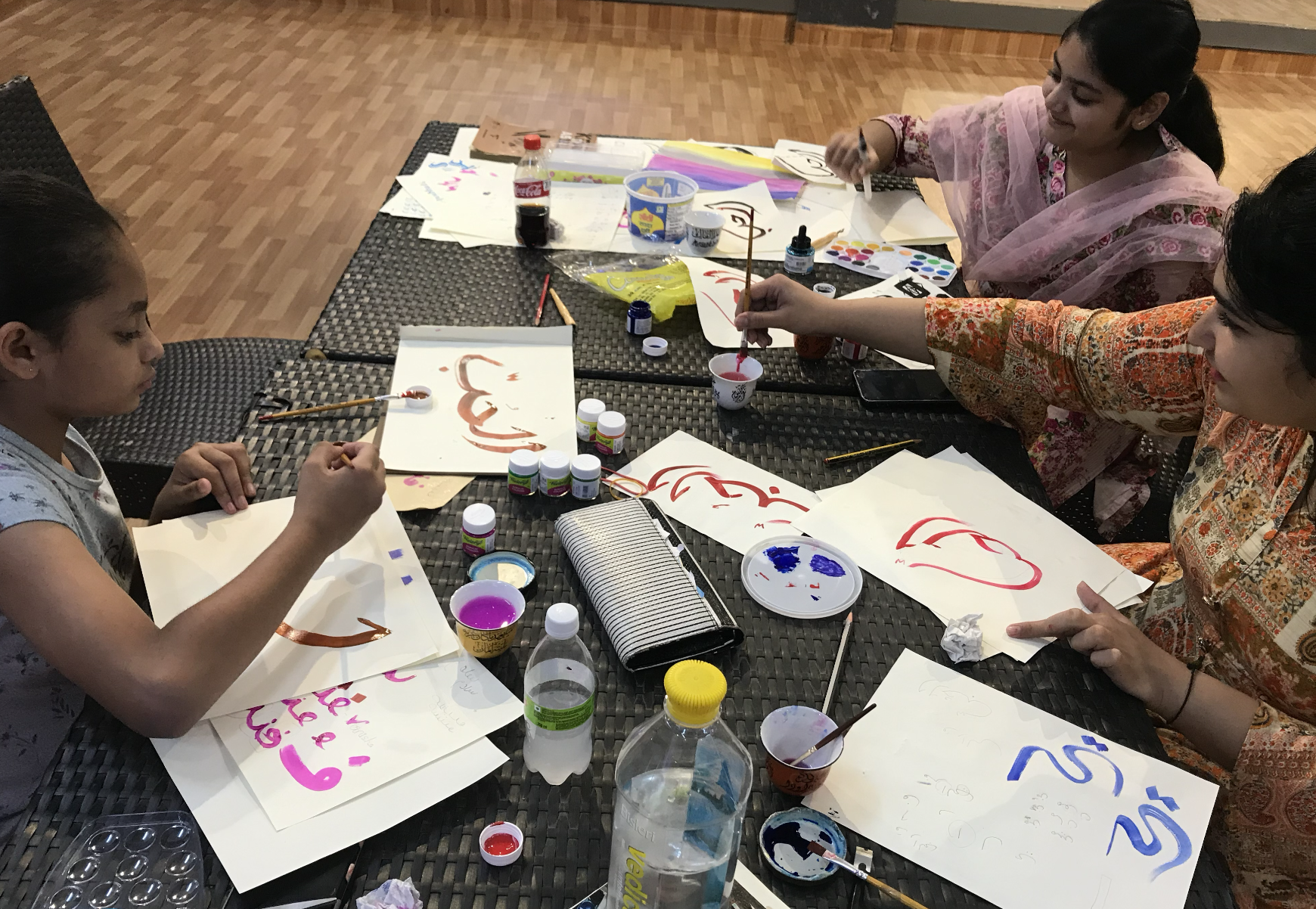
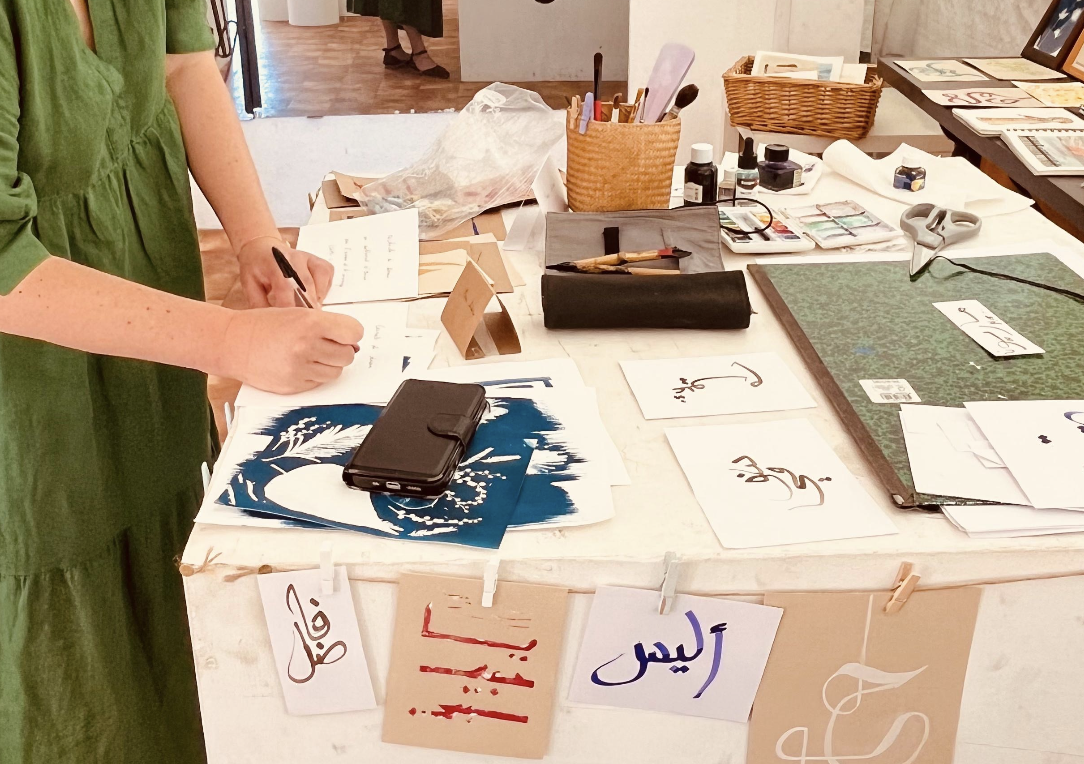
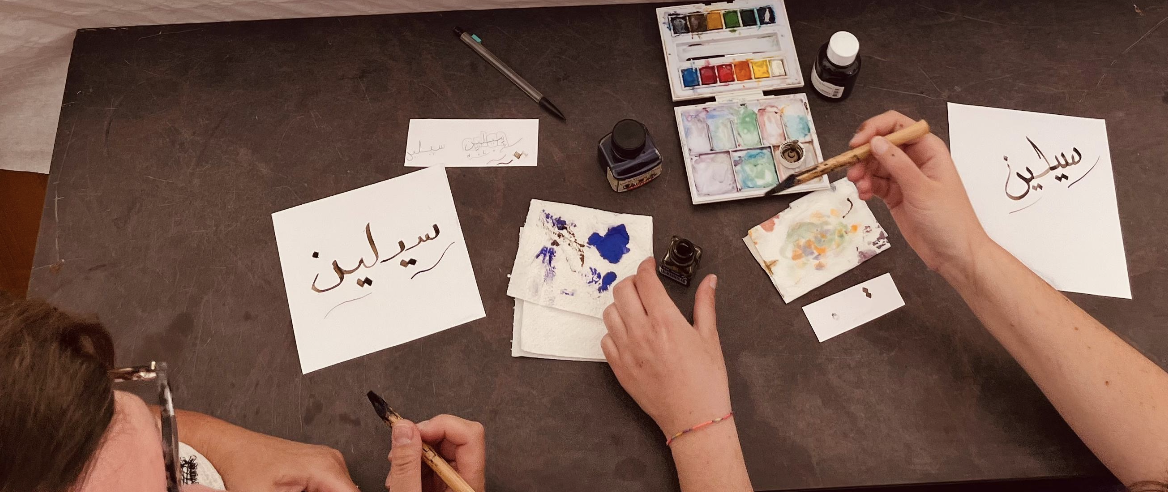
These ongoing commitments reflect a conviction that the borders between the academic, the artistic, and the civic are best treated as thresholds rather than walls — a conviction that took an early form in 2019, when I designed and led creative Arabic calligraphy workshops at Studio Jammin in Bhopal, India. Bringing together young people from the city who had little or no prior exposure to Arabic script, the workshops created an unexpected space of curiosity and encounter: calligraphy became a way into questions of language, aesthetics, and cultural transmission that I had until then only approached through academic writing. The experience stayed with me as evidence that ethnographic sensibility, when translated into creative practice, can open conversations that fieldwork alone cannot.
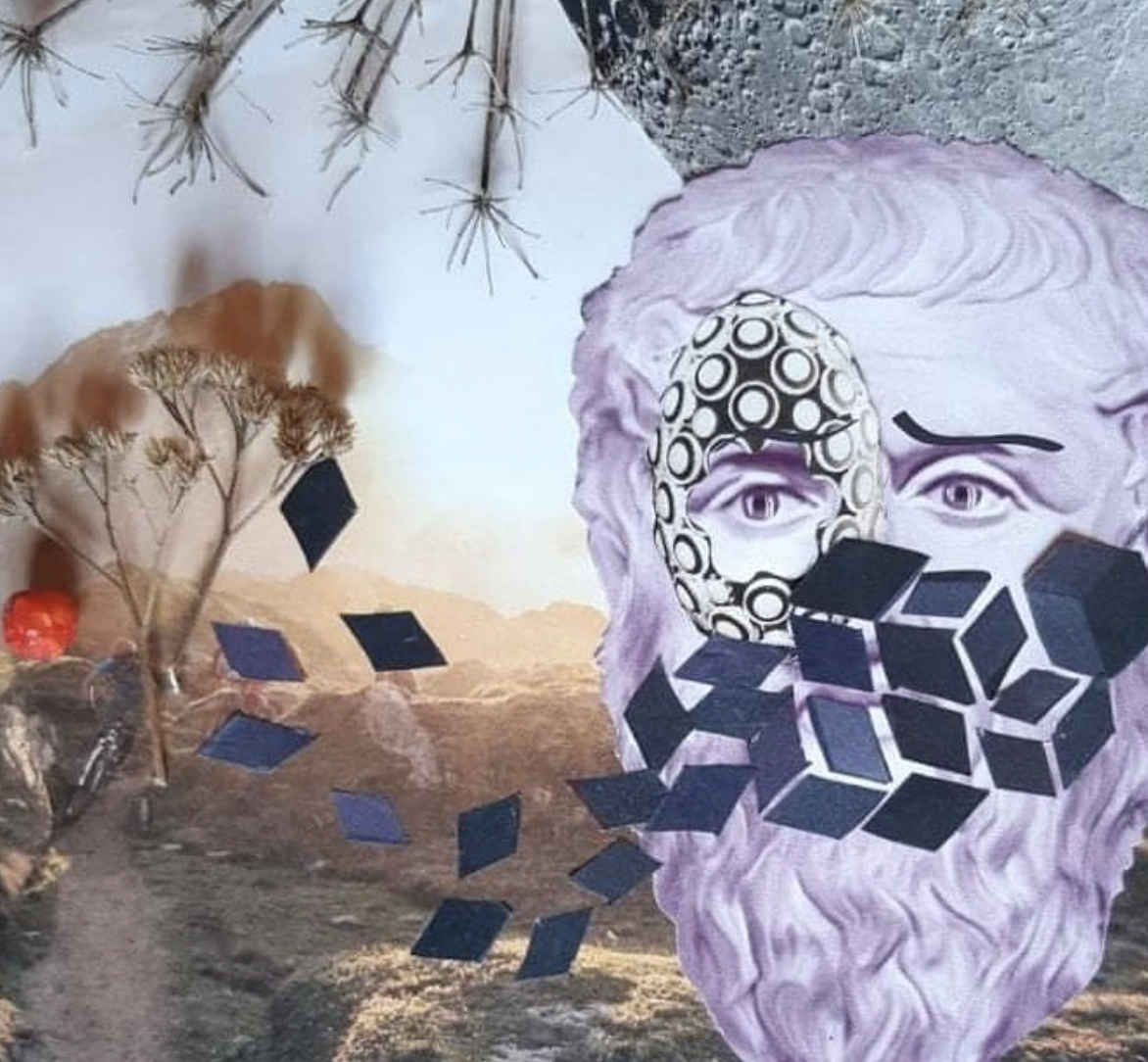
In the midst of the Covid-19 pandemic, that intuition found a new form. Together with political scientist Coline Mias, I co-founded WA (و) in Marseille — a creative platform for Arabic-speaking cultures born directly out of the need to maintain cultural connection during lockdown. At a moment when physical gathering had become impossible, WA launched artistic challenges circulated through social media platforms, inviting artists, researchers, and practitioners to respond creatively to prompts rooted in Arabic language, memory, and cultural production. What began as a response to isolation gradually became a sustained collective: WA has since grown into an ongoing space where the boundaries between scholarship, artistic practice, and community life are deliberately blurred.
In 2023, I joined Simezu, an already-established cultural association in Marseille, to help redefine its identity around photographic arts. Working with the existing collective, I contributed ideas for projects with local schools centred on the camera as an object of reflection — using photography as a way into broader questions of visuality, perception, and the image. One recurring prompt was deceptively simple: what changes when the same scene is photographed on a camera versus a smartphone? The question opened onto much larger conversations about digital devices, attention, and how the tools we use to see the world quietly shape what we are able to see. For me, this work connected directly to my academic research on digital platforms and migrant practices, approached not through fieldwork but through the hands of schoolchildren handling lenses and screens.